
- REAGENT SERVICES Hot!
-
PRODUCTS
-
 Most Popular Reagents
-
 Instruments
-
 Antibodies
-
ELISA Kits
-
 Protein Electrophoresis and Blotting
-
Protein and Antibody Purification
-
Recombinant Proteins
-
 Molecular Biology
-
 Stable Cell Lines
-
 Cell Isolation and Activation
-
 IVD Raw Materials
-
 Therapy Applications
-
 Resources
-
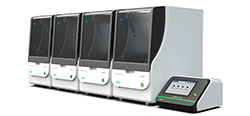
![AmMag™ Quatro Automated Plasmid Purification]() AmMag™ Quatro automated plasmid purification
-
![Anti-Camelid VHH]() MonoRab™ Anti-VHH Antibodies
-
![ELISA Kits]() ELISA Kits
-
![Precast Gels]() SurePAGE™ Precast Gels
-
![Quatro ProAb Automated Protein and Antibody Purification System]() AmMag™ Quatro ProAb Automated Protein and Antibody Purification System
-
![Target Proteins]() Target Proteins
-
![AmMag™ Quatro Automated Plasmid Purification]() AmMag™ Quatro automated plasmid purification
-
![Stable Cell Lines]() Stable Cell Lines
-
![Cell Isolation and Activation]() Cell Isolation and Activation
-
![Quick
Order]() Quick Order
-
![Quick
Order]() Quick Order
- APPLICATIONS
- RESOURCES
- ABOUT US


What is it?
The GenScript Life Science Research Grant Program (LSRG Program), now in its second year, continues its mission to support breakthroughs in life science research. This initiative is dedicated to empowering researchers by providing grant funding explicitly earmarked for purchasing GenScript reagents and services. Researchers in diverse life science fields, including but not limited to those listed below, are encouraged to apply and benefit from this unique opportunity to advance their work.
 Gene and Cell
Therapy Development
Antibody Drug
Discovery AI Drug Discovery
Vaccine
Development
Diagnostics
How it works
GenScript provides comprehensive “one-stop” solutions for projects in the identified research areas through its advanced technologies and platforms. The Life Science Research Grant Program will leverage GenScript’s existing capabilities to accelerate projects by partnering with investigators globally on their proposed projects.

Over 50 grants are planned and will be awarded based on scientific merit, potential for impact, and strategic alignment with GenScript’s primary areas of scientific interest.

Grants will be awarded at a range of funding levels, dependent on GenScript’s internal committee assessment of the project’s budget needs. The maximum amount to be awarded is set at 100,000 USD for qualifying projects.

Projects are expected to commence promptly after receiving grant funding from GenScript, and research activities should generally take place over 12 months or less.
2025 Key Dates

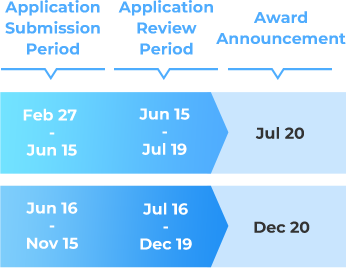
*Based on EST time
2025 Grant Awardees
Cycle 1Cycle 2 Bomyoung LeeFred Hutchinson Cancer Research Center (FHCRC) Gene and Cell Therapy
 Courtney Lane-Donovan University of California, San Francisco (UCSF) Diagnostics
 Edward Emmott University of Liverpool Diagnostics
 Enping Qu ClearVision Therapeutics, Inc Gene and Cell Therapy
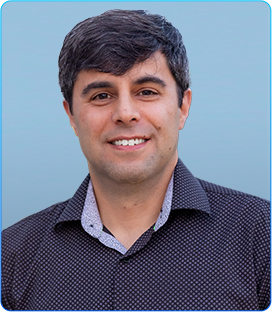 Jacob Brenner University of Pennsylvania Gene and Cell Therapy
 Jamie Cate University of California, Berkeley Antibody Drug Discovery
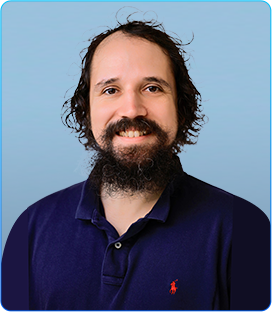 Julian Reyes Vera Biotechnologies AI Drug Discovery
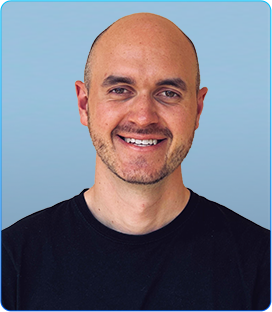 Lennart NickelSwiss Federal Institute of Technology Lausanne (EPFL) AI Drug Discovery
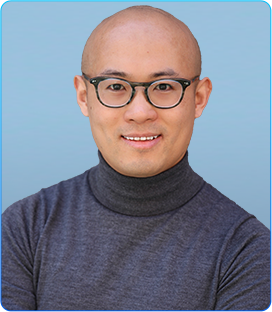 Leyuan Ma University of Pennsylvania (UPenn) Vaccine Development
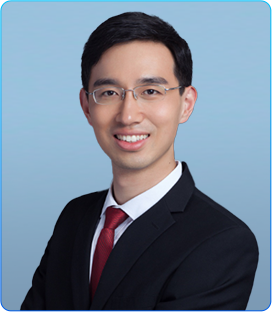 Le CongStanford University Gene and Cell Therapy
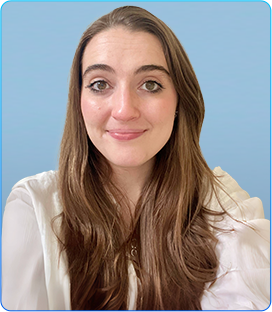 Maddie Williams Sift Biosciences Vaccine Development
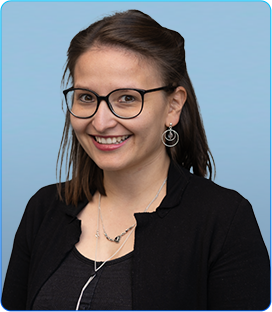 Monica Lisa Fernandez-QuinteroScripps Research Antibody Drug Discovery
 Nicole PekCincinnati Children's Hospital Medical Center (CCHMC) Gene and Cell Therapy
 Russell Vance UC Berkeley Vaccine Development
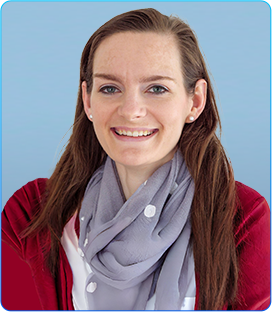 Suki Albers-Fomenko Universität Hamburg Small Nucleic Acid Drug
 Timothy Riley310 AI AI Drug Discovery
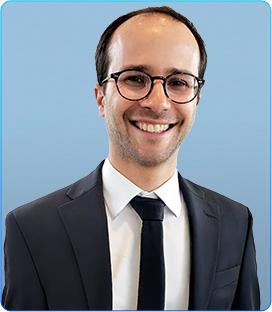 Yonatan Lipsitz Lilium Therapeutics Inc (Labcentral) Gene and Cell Therapy
2024 Grant Awardees
Cycle 1Cycle 2Cycle 3Cycle 4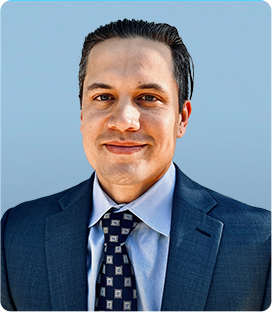
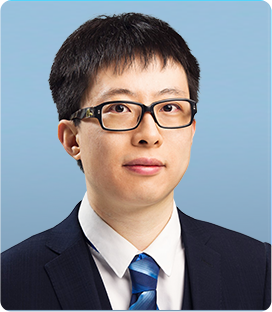
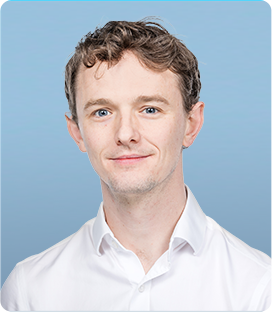
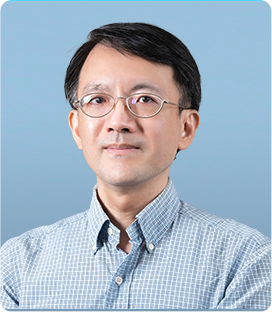
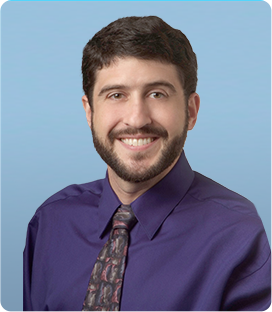 Eben Alsberg &
Sriramya Ayyagari University of Illinois at Chicago Gene and Cell Therapy More Details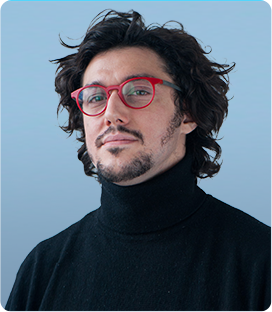
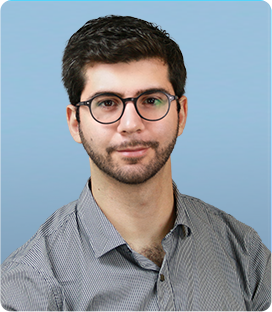 Giuseppe A. Sautto Cleveland Clinic Florida Research and Innovation Center Vaccine Development More Details

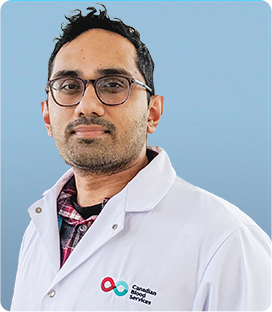

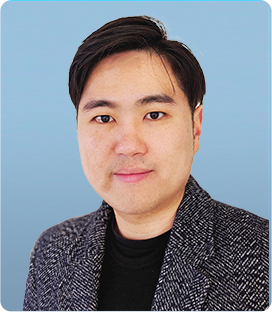
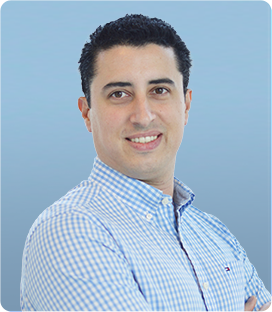

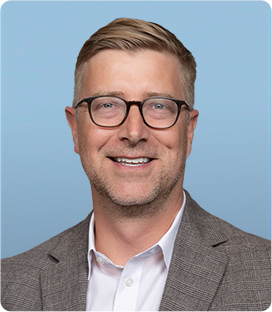 Mark Sellmyer University of Pennsylvania Diagnostics
 Nazia Samudh University of the Witwatersrand Vaccine Development
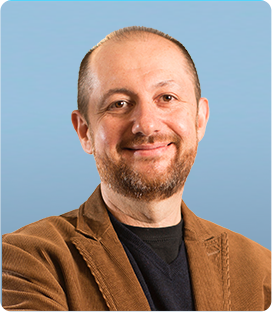 Oleg GangColumbia University Other
 Peter Pushko Medigen, Inc. Vaccine Development
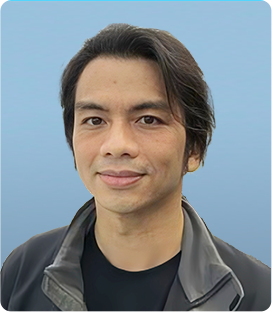 Possu HuangStanford University Other
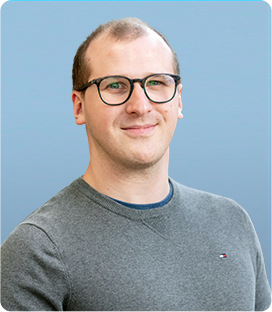

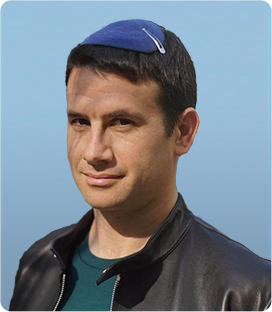

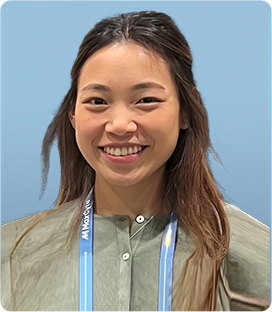 Beatrice Xuan Ho Agency for Science Technology and Research Gene and Cell Therapy
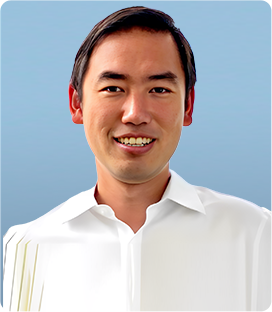
 Cobus Zwiegelaar Azargen Biotechnologies Plant Science
 Giuseppe Pugliese UNIMORE, University of Modena and Reggio Emilia Gene and Cell Therapy
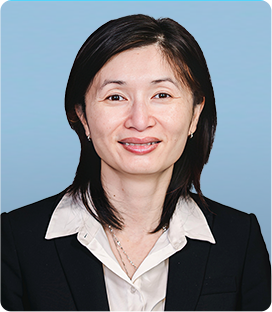 Isabel Chu Zipcode Bio Other
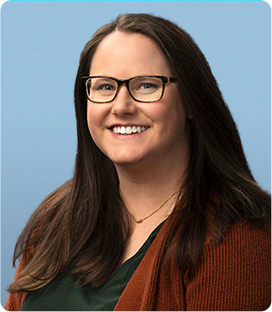 Jennifer Clinton Baylor College of Medicine Vaccine Development
 Jiang-Hui Wang UMass Medical School (UMMS) Gene and Cell Therapy
 Lydia Lee University College London Cancer Institute Gene and Cell Therapy
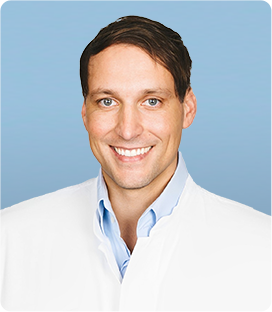 Markus Depfenhart North- West University, South Africa Vaccine Development

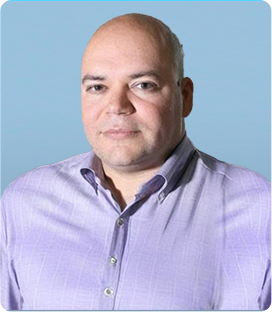 Matteo Dal Peraro University of the Witwatersrand Vaccine Development
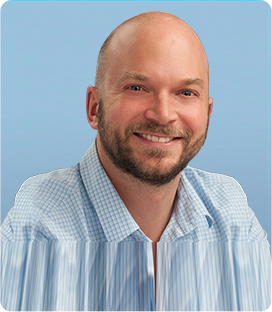
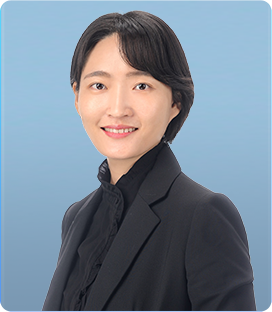 Mihue Jang Korea Institute of Science and Technology Gene and Cell Therapy
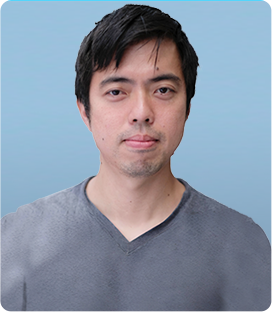 Muneaki Nakamura Ivy Natal Gene and Cell Therapy
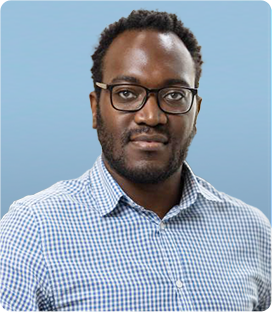
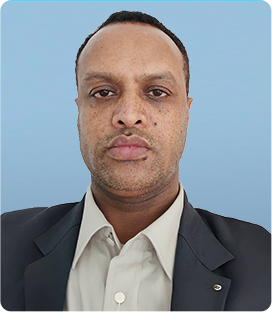 Nigus Ambaye University of Maryland, Baltimore (UMB) Antibody Drug Discovery
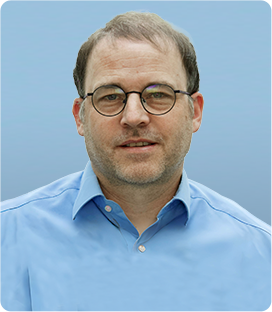
 Pooja Kaur Ecole Polytechnique Fédérale de Lausanne (Switzerland) Antibody Drug Development
 Ramani Ramchandran Medical College of Wisconsin (MCW) Diagnostics
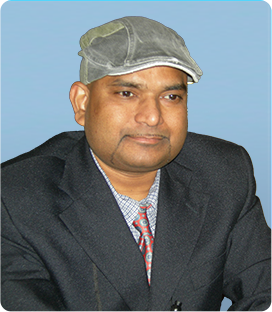
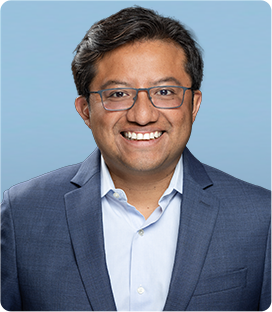 Rogelio Hernandez-Lopez Stanford University Gene and Cell Therapy
 Santanu Sasidharan UBC-Vancouver Antibody Drug Discovery
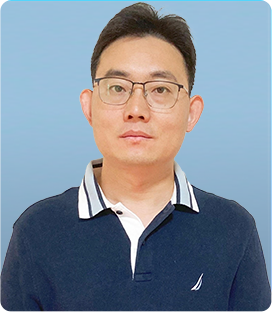 Shoubao Ma City of Hope National Medical Center Gene and Cell Therapy
 Sreekumar Balan Icahn School of Medicine at Mount Sinai Antibody Drug Discovery
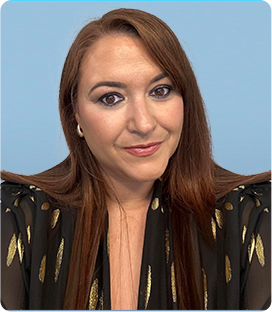 Victoria McGilligan Ulster University Antibody Drug Discovery
 Volker Thiel University of Bern, Institut für Virologie und Immunologie(IVI) Other
 Wim Maes Katholieke Universiteit Leuven (KU Leuven) / PharmAbs Antibody Drug Discovery
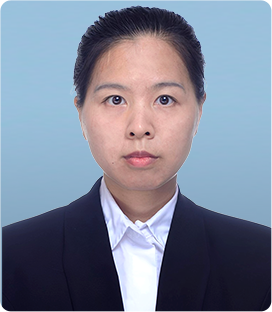 Xiaoyan Ding Klinikum der Universität MünchenRegion Gene and Cell Therapy
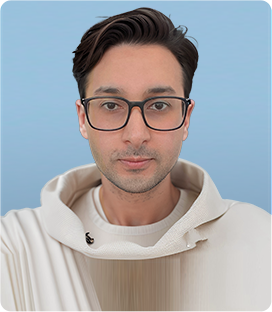 Adam Thomas Burnet Institute Vaccine Development
 Andreas Stengl LMU Munich Munich, German Antibody Drug Discovery
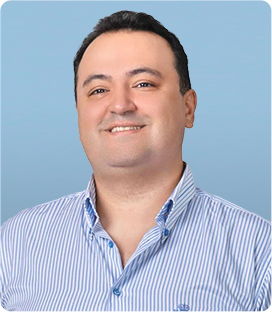 Behnam Rashidieh Mater Gene and Cell Therapy
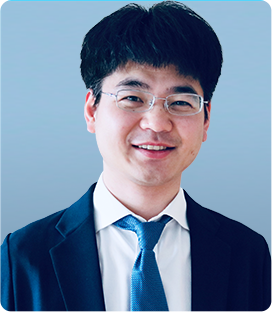 Chao Ma Cleveland Clinic Gene and Cell Therapy
 Cesare Cejas MFX Ltd Gene and Cell Therapy
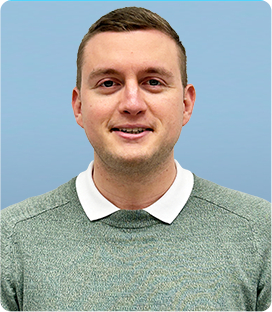 Christopher Batho University of Cambridge Gene and Cell Therapy
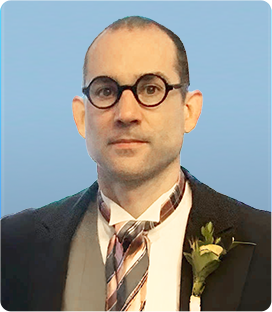 Christopher J. Vavricka Tokyo University of Agriculture and Technology Antibody Drug Discovery
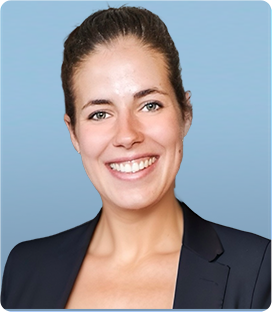 Coralie Werbrouck The University of Sydney Gene and Cell Therapy
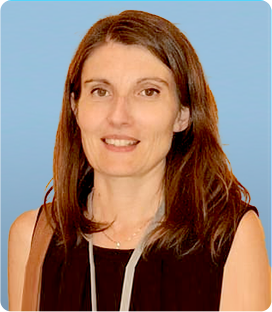 Emilie Stermann CNRS Antibody Drug Discovery
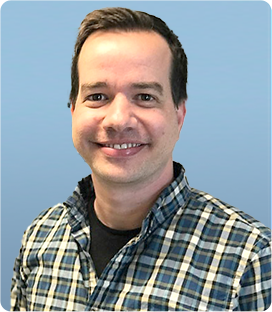 Eric Shifrut Tel Aviv University Gene and Cell Therapy
 Ferenc Scheeren Leiden University Medical Center (LUMC) Antibody Drug Discovery
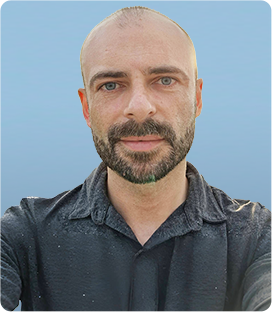 Filipe Pinto i3S - Instituto de Investigação e Inovação da Universidade do Porto Others
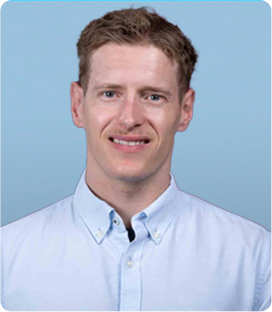 Jack Rudrum Massachusetts Institute of Technology Vaccine Development
 Jagannath Erisyon Inc. Others
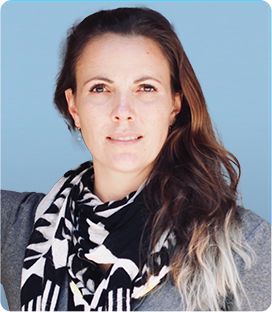 Jennifer Treweek University of Southern California Gene and Cell Therapy
 Jeremiah Kim UChicago Vaccine Development
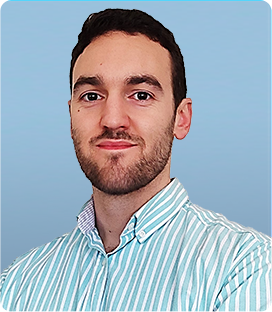 JoseGarrido Mesa Hospital 12 de Octubre Antibody Drug Discovery
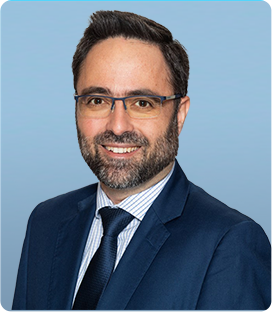 Jose Martinez-Navio University of Miami - Miller School of Medicine Gene and Cell Therapy
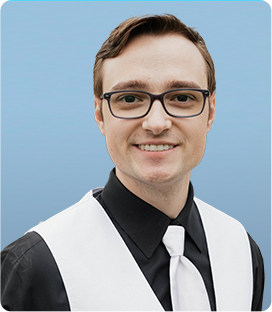 Joshua Krueger University of Minnesota Gene and Cell Therapy
 Lay Khoon Too University of Sydney Gene and Cell Therapy
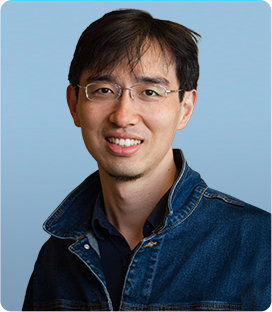 Le Cong Stanford University Vaccine Development
 Neeraj Saini MD Anderson Cancer Center Gene and Cell Therapy
 Nicole Paulk Siren Biotechnology, Inc. Gene and Cell Therapy
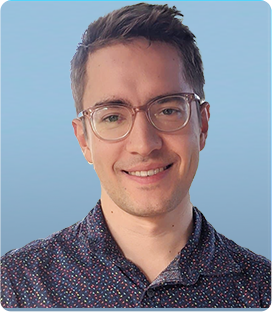 Patrick Holec Fletcher Biosciences Antibody Drug Discovery
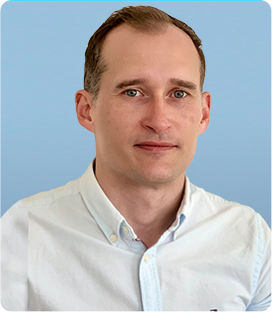 Pawel Stocki Ossianix Gene and Cell Therapy
 Shantanu Kumar Revision Bio Gene and Cell Therapy
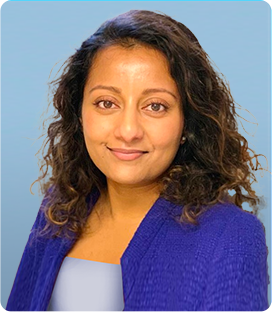 Sushama Telwatte University of Melbourne Gene and Cell Therapy
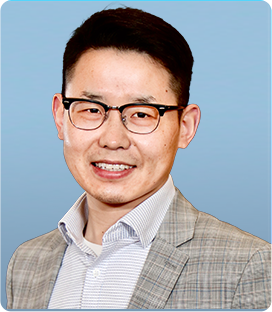 Xiao Huang Drexel University Gene and Cell Therapy
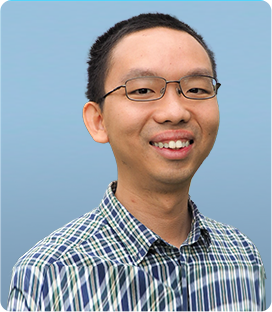 Xiaojing Gao Stanford Diagnostics
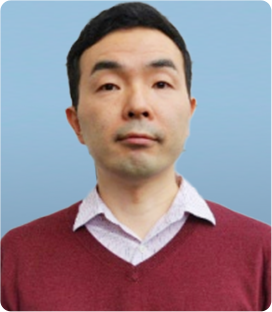 Yoichi Furuya Pictor Ltd Diagnostics
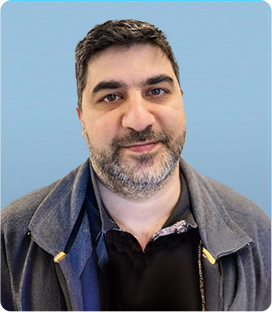 Bassel Akache National Research Council of Canada (NRC) Vaccine Development
 Bryan Bryson MIT/Ragon Institute Vaccine Development
 Chloe Christensen Children's Hospital Orange County Gene and Cell Therapy
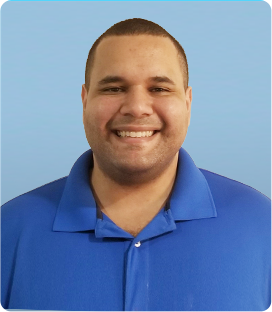 Christopher Lawrence Moore GentiBio Gene and Cell Therapy
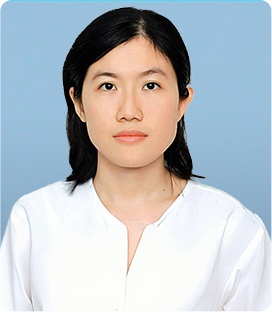 Diem TRANMedical Genetics Institute Vaccine Development
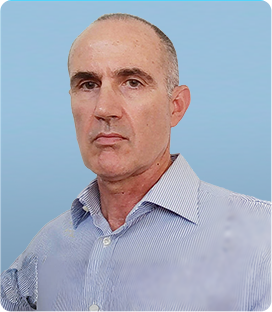 Fabio MammanoUniversity of Padova, Dept. of Physics and Astronomy Antibody Drug Discovery
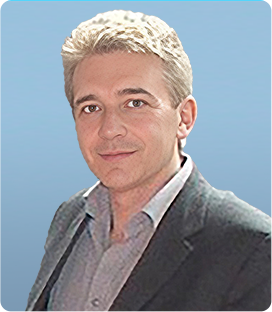 Ivan LoncarevicQUANTBIORES A/S (QBR) Vaccine Development
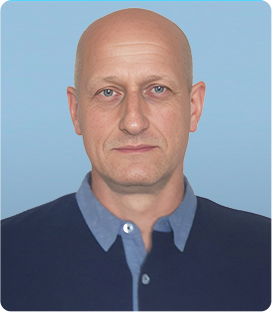 Lajos MatesBiological Research Center, Szeged OthersLiang Feng Duke University Gene and Cell Therapy
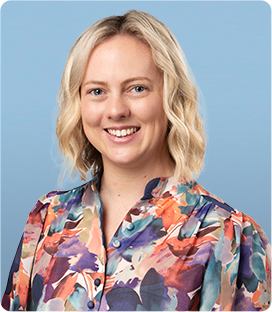 Lucy BarthoThe University of Melbourne Diagnostics
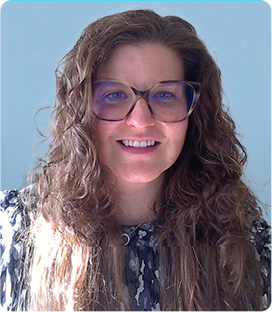 Maider Zabala UgaldeOnena Medicines S.L. Antibody Drug Discovery
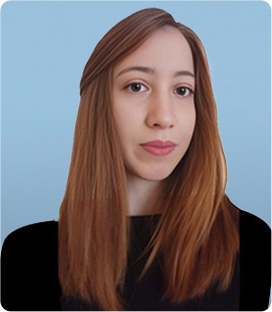 Miriam LongoFondazione IRCCS Cà Granda, Ospedale Maggiore Policlinico Milano, Lombardia Gene and Cell Therapy
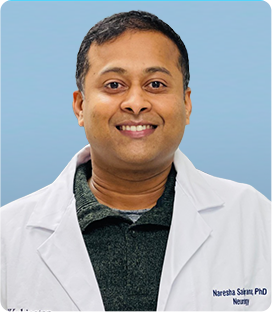 Naresha Saligrama Washington University in Saint Louis Others
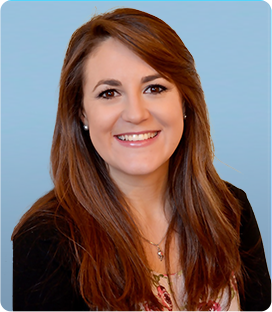 Natividad Garrido MesaKingston University Others
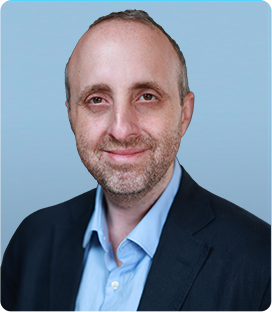 Ori Zelichov ZipBio Inc. Others
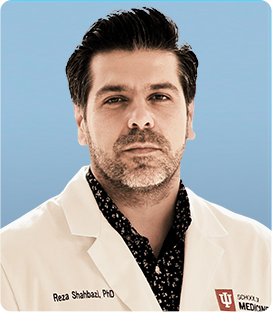 Reza ShahbaziIndiana University School of Medicine Gene and Cell Therapy
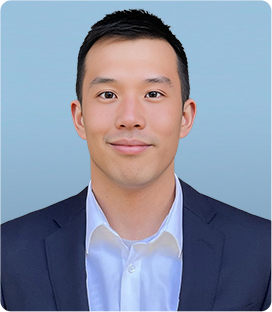 Ritchie Chen University of California, San Francisco (UCSF) Gene and Cell Therapy
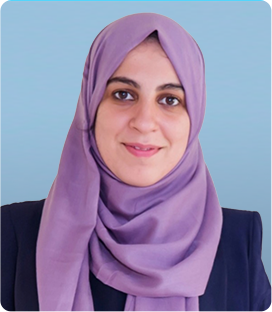 Ryma ToumiSeattle Children's Research Institute Gene and Cell Therapy
 Sakthi Moorthy CCRM Gene and Cell Therapy
 Shimobi Onuoha Chimeris UK Ltd Gene and Cell Therapy
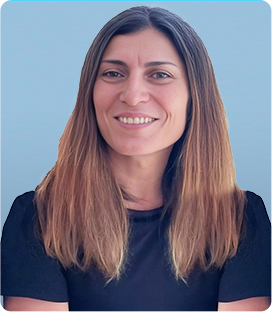 Silvia gomez-sebastian Universidad Autonoma de Madrid Gene and Cell Therapy
 Torsten MeissnerBIDMC Gene and Cell Therapy
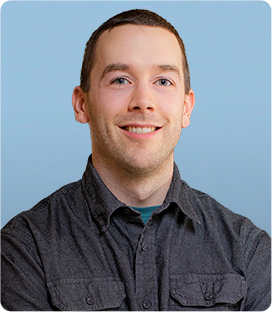 Tyler Renner Translational Biosciences Department, Human Health Therapeutics, National Research Council Others
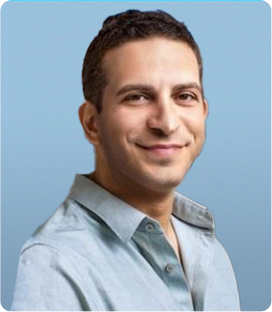 Uri Manor UCSD Gene and Cell Therapy
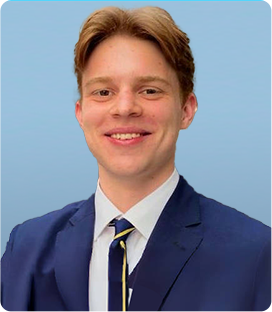 William MacDonaldRhoGen Inc. Antibody Drug Discovery
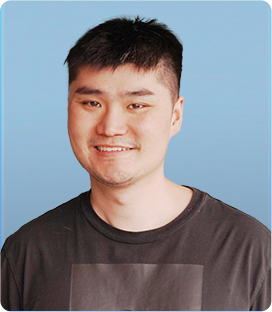 Yijun Pan The University of Melbourne, Florey Department of Neuroscience and Mental Health Diagnostics
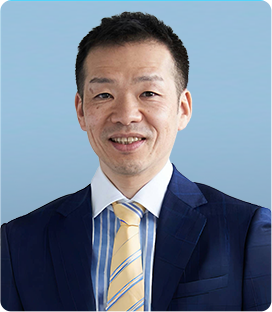 Yoshinori HasegawaKAZUSA DNA Research Institute Plant Science
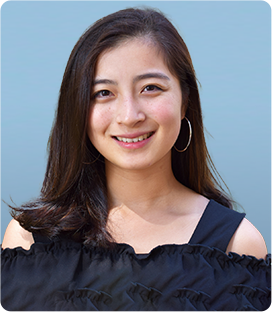 Yue Clare Lou Phase0, Inc. DBA Sift Biosciences Vaccine Development
 Zizhang ShengColumbia University Irving Medical Center Antibody Drug Discovery


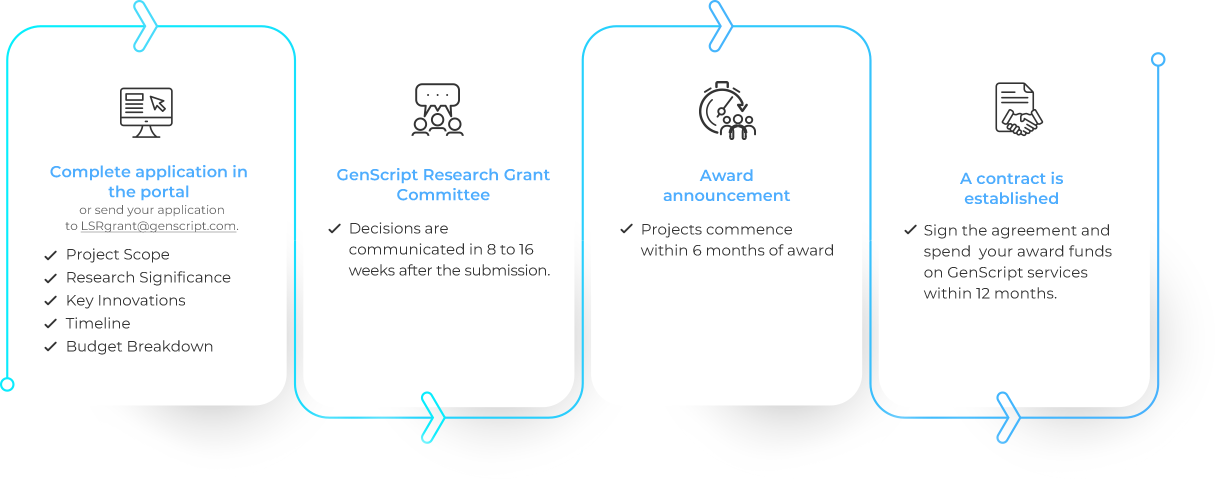
Path to Your GenScript Life Science Research Grant
-